Corporate Gifting Is the Order You’re Not Chasing
A company down the road spends real money on gifts every year and buys them from a catalog vendor a thousand miles away. Here is why that keeps happening, and what it takes to be the alternative.
There is a forty-person company within fifteen minutes of your bench. Every year around this time somebody there gets handed a budget and told to sort out client gifts and something for the staff. They open a laptop, find a national promo catalog, upload a logo, pick a minimum quantity and wait three weeks for a box.
That order is larger than your best consumer week. It repeats every year without you having to find the customer again. And nobody local has ever asked them for it.
If you are reading this in October, you are not early. Holiday gift decisions at most companies get made in September and October, and some of those are already placed. But the December run is the smaller half of this opportunity, and the part that matters is available all year.
The Math Is Not Close
This is a budget line, not a nice gesture
Corporate gifting is a $956.93 billion global market in 2026, up from $886.56 billion the year before, growing at just under eight percent a year. That number is large enough to be abstract, so here is the part that is not.
Sixty-one percent of corporations now build gifting into their marketing or HR strategy. That is the difference between a line item and an impulse. It means somebody owns it, it recurs on a calendar, and it survives a budget review because eighty percent of companies report that gifting improved their relationships with employees and clients.
None of that spending is waiting for permission. It is being spent right now, and the only open question is who it gets spent with.
The timing helps too. Corporate decisions land in October and November, which front-loads your quarter instead of colliding with the December scramble. And this is not only a December business: fifty-two percent of companies gift existing clients and partners throughout the year to maintain the relationship.
Sixty-one percent of corporations now build gifting into their marketing or HR strategy. That is the difference between a line item and an impulse. It means somebody owns it, it recurs on a calendar, and it survives a budget review because eighty percent of companies report that gifting improved their relationships with employees and clients.
None of that spending is waiting for permission. It is being spent right now, and the only open question is who it gets spent with.
Build The Sheet Before You Call
What to actually offer them
Do not walk in offering everything. Walk in with four things you can produce well and quote confidently.
- 1
Drinkware
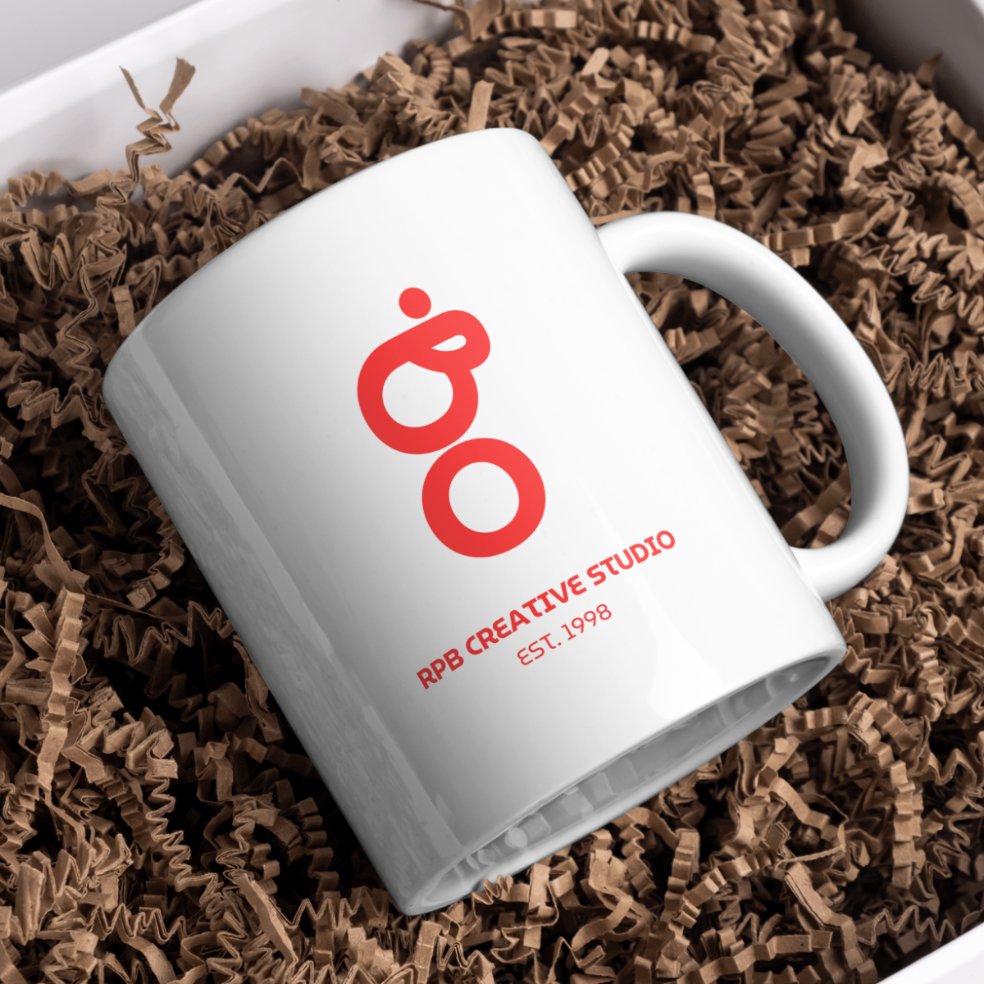
Tumblers and mugs for staff and client gifts. Used daily, in public, by the person you gave it to. Nothing else on this list generates that many impressions.
- 2
Recognition and awards
Photo panels, plaques, tenure pieces. The highest margin category here and the one catalog vendors handle worst, because a meaningful award cannot be ordered in a minimum quantity of two hundred.
- 3
Desk and milestone pieces
Framed prints, coasters, small keepsakes for anniversaries, retirements and project wins.
- 4
Light apparel for events
Team days, family days, charity runs, conference staff. Light, bright and white garments, which is exactly what event apparel tends to be anyway.
The reason this works is not that the products are clever. It is what receiving one does. Eighty-three percent of consumers say a branded product makes them feel appreciated, ninety percent say it improves their perception of the brand, and brand recall runs highest on apparel at eighty-five percent. That is the case you are making to a buyer, and it is a stronger one than price.
December Is The Small Opportunity
The part most shops never get to
Here is what separates a shop that lands one holiday order from a shop that ends up on a company’s approved vendor list.
The fastest growing type of corporate gift order is not the annual holiday run at all. It is the smaller repeated moment order: onboarding kits for new hires, work anniversaries, milestone recognition, conference and event merchandise. These happen in ones and twos and twelves, all year, on no particular schedule.
A catalog vendor treats an order like that as a nuisance. Twelve units does not clear their minimum and does not justify the setup. For you it is a normal Tuesday.
So the pitch is not December. December is the door. The business is being the shop they call in February when somebody hits five years, and in April when they need thirty shirts for a trade show, and in June when four new people start.
Two Weeks Of Actual Work
How to land the first one
Make a list of ten local businesses you already have some reason to contact. A client, a neighbor, a company whose owner you have met, the place you get coffee. Cold is harder and you do not need cold yet.
Bring a physical sample. Not a PDF, not a link. A tumbler with their logo on it, made at your cost, handed over in person. That one object does more work than any deck, and it is the thing a catalog vendor structurally cannot do.
Lead with recognition and onboarding rather than holiday, because holiday may already be spent and recognition almost never is. Quote a small pilot rather than a full program, since nobody hands a new vendor the whole account.

The Two Things A Catalog Vendor Cannot Give Them
Why A Sawgrass Shop Wins This Work
There is an objection that comes up in every corporate conversation and never comes up with a consumer. It is about color.
A brand has a hex value and a Pantone reference and somebody at that company is responsible for defending both. When the navy on the tumblers does not quite match the navy on the shirts, that is not a small aesthetic complaint. It is the reason a marketing manager quietly stops reordering, and it is usually why they abandoned the last local shop who tried.
Hitting a brand color once is not difficult. Hitting the same one in March, on a different blank, for a reorder nobody warned you about, is what turns you from a vendor into a supplier.
The Paper Decides The Destination
VersiFlex Light Transfer Paper
Cotton Apparel
Event tees, team shirts, totes. Light, bright and white garments.
TruePix Sublimation Paper
Sublimation Blanks
Tumblers, mugs, photo panels, awards, coasters, desk pieces.
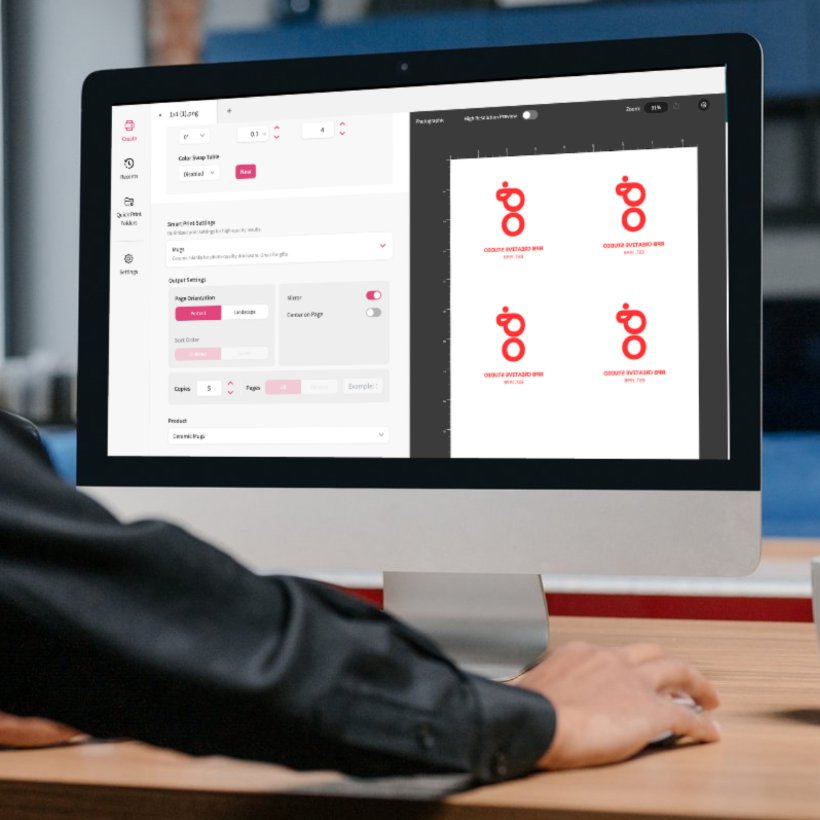
Same printer. Same ink set. One purchase order with shirts, drinkware and an award goes down a single production line instead of two.
The second advantage is the one you might mistake for a weakness. Catalog vendors need minimums because their economics require them. You do not. A twelve-piece onboarding kit is a real order on your bench and an inconvenience on theirs, and that order type is the one growing fastest.
Which leaves the production question, because corporate work is mixed by nature. A single purchase order might have team shirts, client drinkware and one recognition piece for somebody’s tenth year.
None of it requires a second machine or a second workflow to deliver.
What To Do This Week
The order is already being placed
Somebody nearby is going to spend that budget in the next eight weeks whether you call or not. The only variable is whether it leaves your area.
Pick ten names. Make one sample. Ask one question about who handles gifts. If you want to check what a forty-unit run actually returns before you quote it, the Print to Profit calculator will tell you in a couple of minutes.
Built for the order that has shirts and tumblers on the same invoice
One printer, one ink set and consistent color across every substrate in the job. Swap the paper and keep going.