You Can Sublimate On Cotton

Where The VersiFlex System Came From
We Heard It For Long Enough To Do Something About It
Sawgrass has been building sublimation systems for a long time, which means we have heard this complaint from a lot of people who bought our printers. Not as a passing gripe. As the single thing standing between a working side business and a real one.
So we went and looked at the problem properly. And the thing that turned up is that the printer was never the limitation. Neither was the ink. The transfer paper was doing all the deciding.
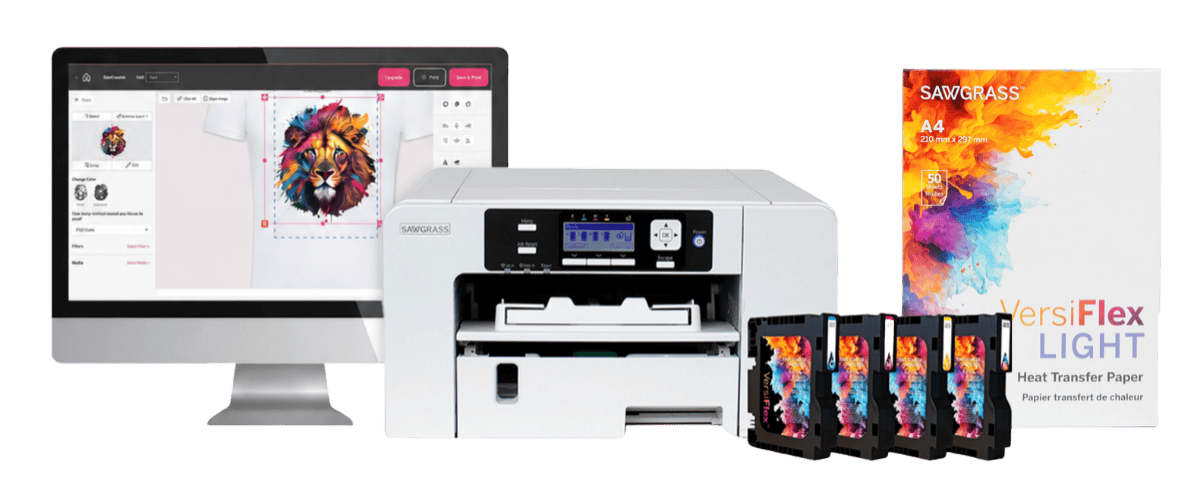
That is what the VersiFlex System is. Not a different printer, not a second ink set, not a workflow to learn from scratch. A transfer paper that lets the Sawgrass printer you already own put a full color design onto cotton.
What It Actually Does
One Printer, Two Categories of Work
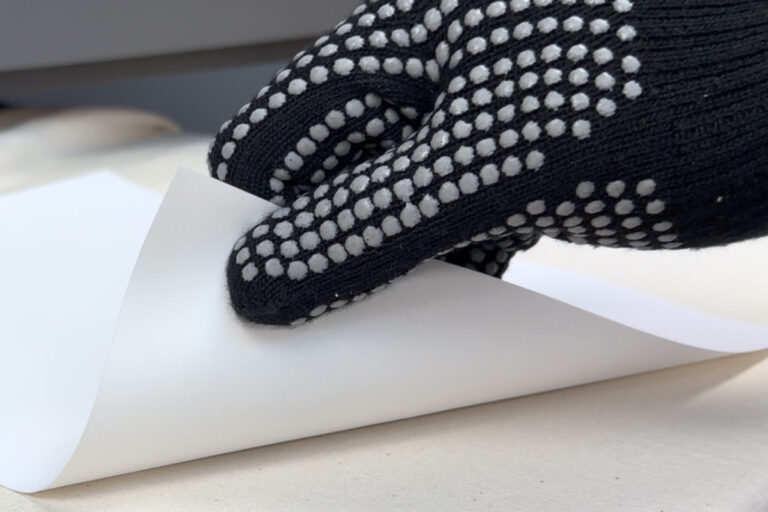
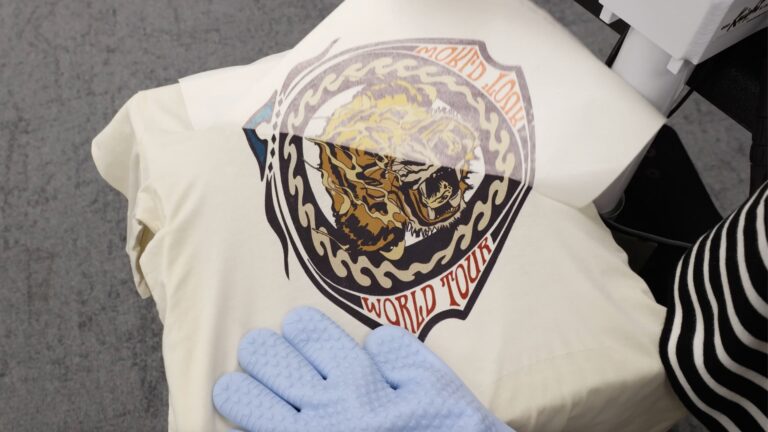
The workflow is deliberately boring, and that is the point. Print the design. Press it onto the garment. Peel the paper away. No cutting, no weeding, no powder, no film, no cure step.
The Paper Decides The Destination
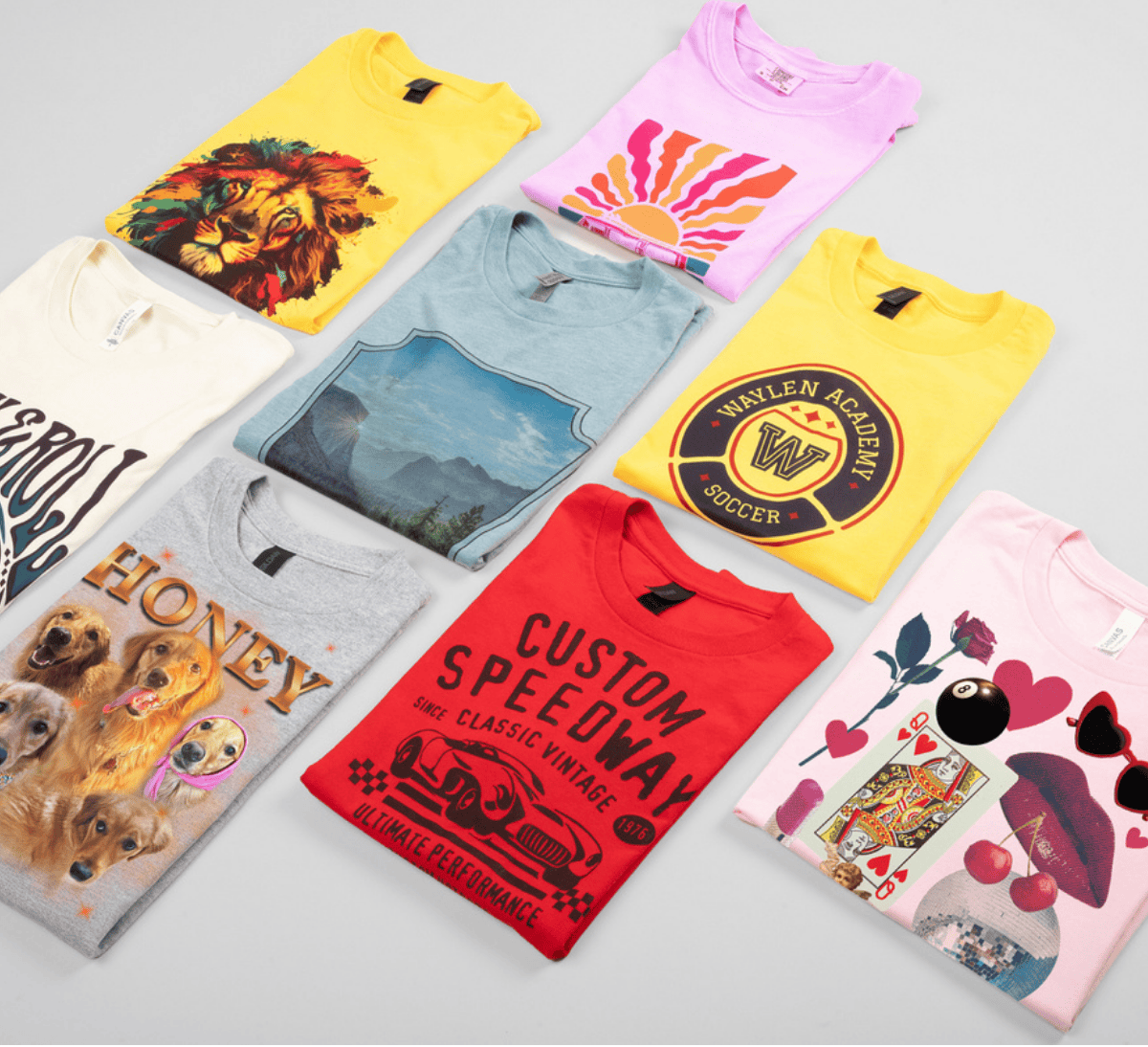
VersiFlex Paper
Cotton apparel
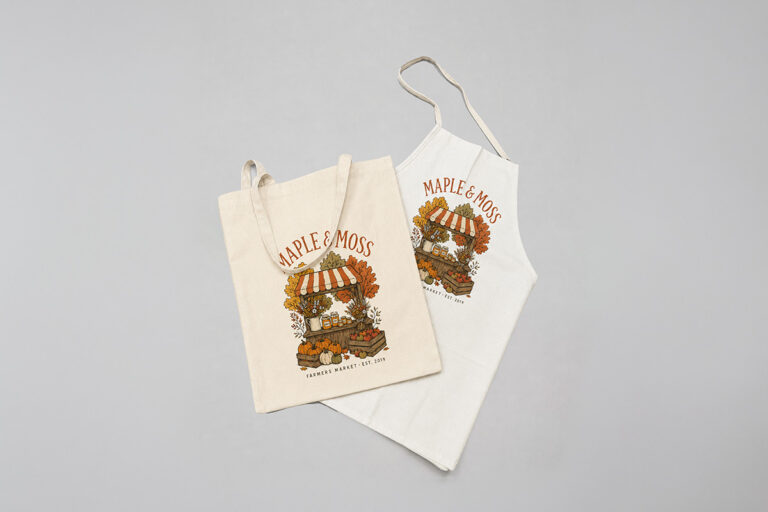
Tees, hoodies, crewnecks, joggers, totes. Light, bright and white garments and natural fibers.
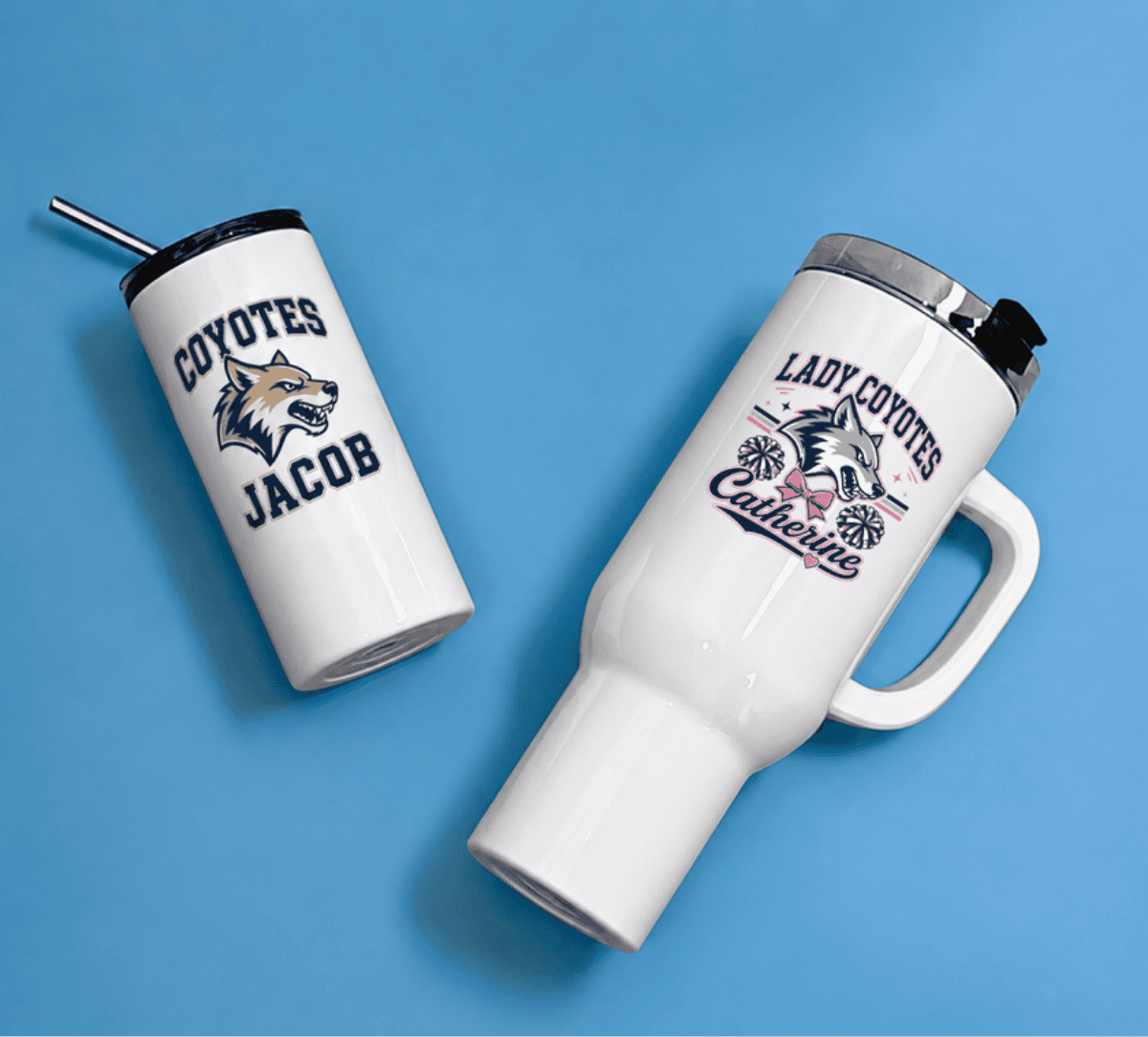
Sublimation Paper
Sublimation blanks
Tumblers, mugs, ceramics, metals, ornaments, coasters. Everything you already run today.
Worth being specific about the range, because it matters when you are quoting: VersiFlex is built for light, bright and white garments. That covers the natural, pastel and heather blanks that make up most of the fall and everyday apparel market, and it covers every cotton piece on the rack at a big box store this month.
The Other Route
What It Costs To Solve Cotton The Other Way
There are other ways to print on cotton, and it would be dishonest to pretend otherwise. DTF is a real answer and a lot of shops run it well. But if you are deciding where your next few thousand dollars goes, the comparison is worth doing with actual numbers instead of vibes.
| DTF | VersiFlex | |
|---|---|---|
| Entry cost | $1,500 to $5,000 to reach production ready | Under $2,000 for a complete system |
| Equipment | Printer, film, powder, shaker, cure unit | Printer and heat press |
| Steps to a shirt | Print, powder, shake, cure, press, peel | Print, press, peel |
| Hard goods | Separate system required | Same printer, swap the paper |
| Bench footprint | A second station | The one you already have |
Learn more about VersiFlex vs. DTF
VersiFlex vs DTF: Simpler Setup, More Products | Sawgrass
The number that gets missed in most comparisons is the second one. Very few shops replace sublimation with DTF. They add it. Which means the real cost is not $1,500 to $5,000, it is $1,500 to $5,000 plus everything you already own, two sets of consumables to keep stocked, two workflows to stay sharp on, and two production lines to route a single order through.
For a shop of one or two people, that overhead is not abstract. It is bench space you do not have, cash sitting in supplies you are not using this week, and a Tuesday afternoon spent moving between two machines to finish one order.
What Changes For You
What This Looks Like On A Normal Tuesday
Here is the practical version, which is really the only version that matters.
- You stop turning down work. The cotton tee, the hoodie, the tote, the matching set. All of it is quotable now, from the machine already sitting on your bench.
- Mixed orders stop being a problem. A customer wants twelve shirts and twelve tumblers for the same event. That is one design file, one printer and one afternoon.
- Your blank supplier can be fifteen minutes away. Retail cotton means no minimums and no shipping window. Buy one, print it, see if it sells, then go back for six.
- Complexity stops costing extra. Distressing, gradients, photo detail and fine line work all print the same as a single color, which is exactly the work a vinyl shop down the road has to talk a customer out of.
- One thing to get good at. One workflow, one set of settings, one set of consumables. Skill compounds instead of splitting.
Learn How To Calculate Your ROI: ROI-Calculator – Sawgrass Technologies
Every piece of equipment you do not buy and every step you do not run twice goes straight back into margin. That is the actual print to profit math behind the cotton question. It was never really “can I print this.” It was “how many systems does this business need me to run, and what is each one costing me in cash, space and time.”
If You Are Just Getting Started
The Barrier That Used To Be There Is Gone
If you have been sitting on the edge of this, running sublimation as a hobby and wondering whether it can be more than that, understand what just moved. The reason most sublimation side businesses stall is not talent and it is not marketing. It is that the product range runs out. You can only sell so many tumblers to the same circle of people before you need the thing they actually wear.
Apparel is where the repeat orders are. It is where the team orders, the family sets, the small business merch and the event work live. Cotton was the door to all of it, and for a long time that door was closed to anyone who started on a sublimation printer.
It is open now, and it did not cost you a second machine to open it.
So the only question left is why wait
Sublimation can’t do cotton is a 2020s answer to a 2026 question. VersiFlex changed that answer.